Ellen Harasimowicz and I are kicking off 2014 with the release of our latest collaboration: a picture book about some very special butterfly lives. HANDLE WITH CARE is published by Millbrook Press and was officially released today. We hope you’ll love this story as much as we do.
Wednesday Wild: Ring-necked pheasants
I can already hear you …
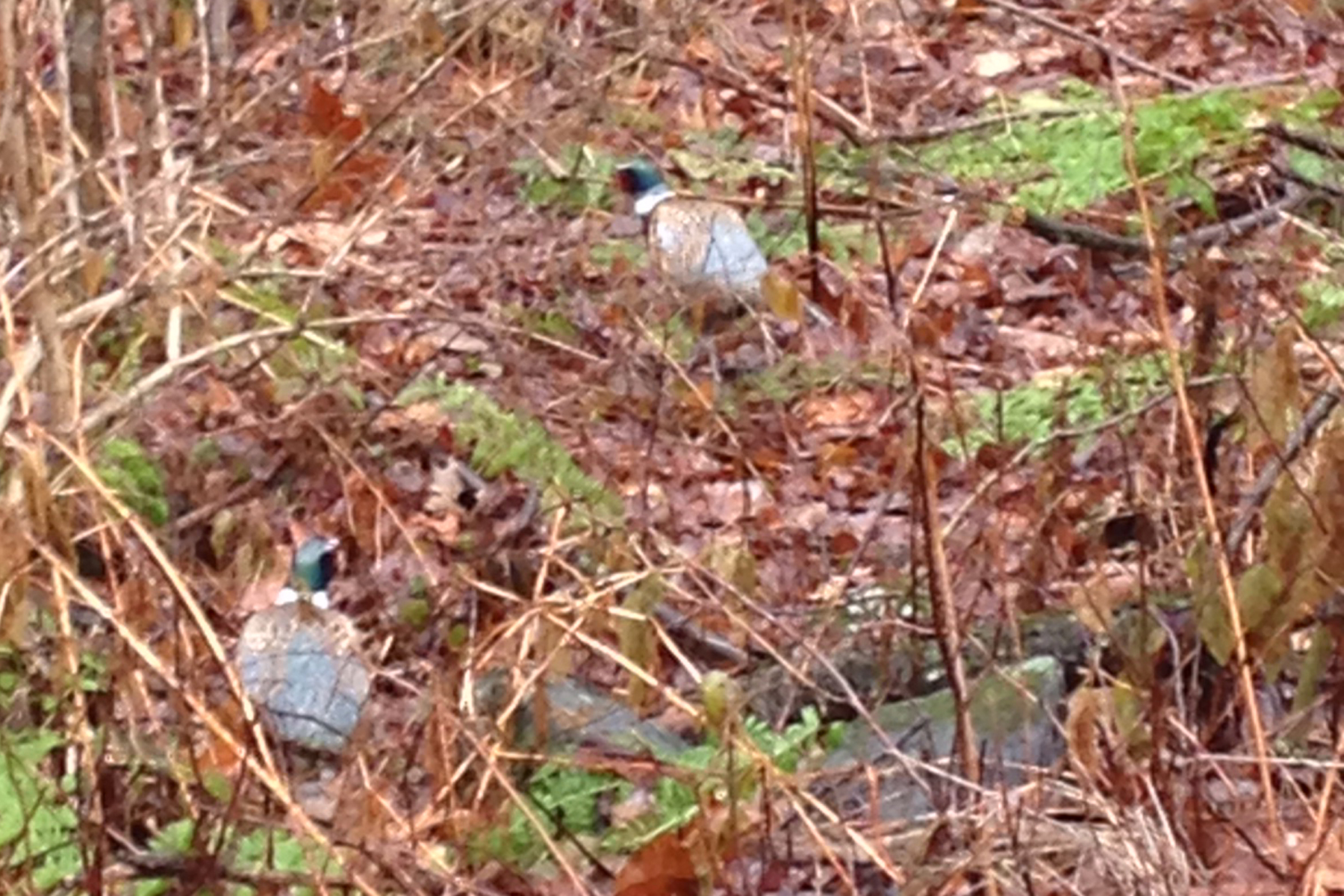
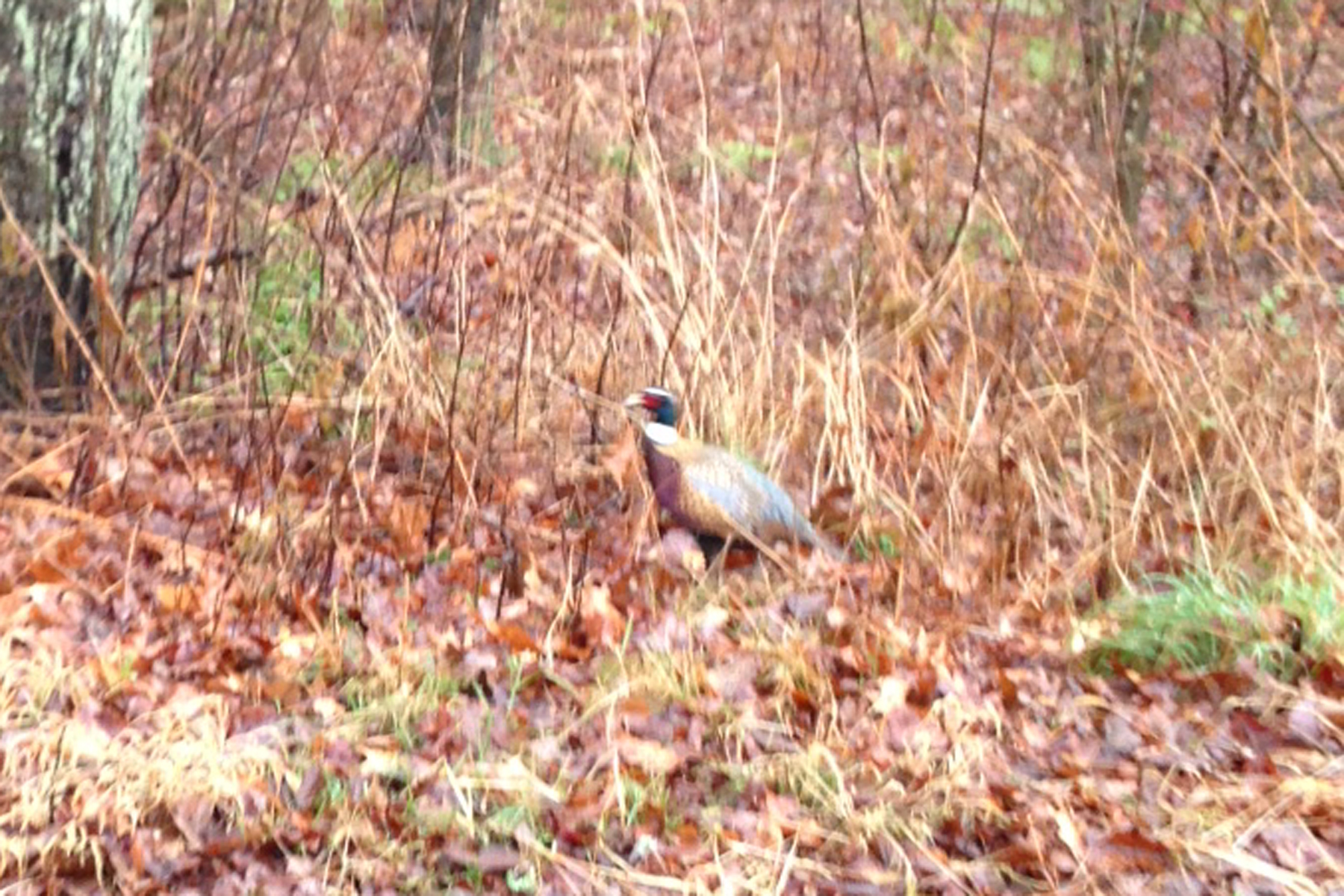
Seriously, Loree? You expect us believe that picture shows two male ring-necked pheasants walking along the road?
Yes. Yes I do. Because I did see two male ring-necked pheasants walking along the road. I did! And even thought I didn’t have my camera and it was pouring rain and I was in the car and my daughter had to take a couple shots through the car window using my cell phone … these pictures clearly show the only thing you need to remember about this post: ring-necked pheasants are worth seeing in the wild.
Have an adventure today. Bring your camera.
(All photos © Catherine Griffin Burns)
Blog Hop Part Two: Beetle Busters
Photos © Ellen Harasimowicz
In today’s installment of the Blog Hop, I’m going to answer a few questions about my newest writing project. I’m super excited to start talking about this book, because getting to this moment was–how shall I put this?–WICKED HARD. Of all the books I’ve written, this was the toughest to figure out. But I did, and soon you’ll be able to read it. Below are some questions about the project from the magnificent Sarah Albee, along with my answers. And if you’re confused about this Blog Hop business, just click on over to Part One of this post.
Sarah: What are you working on right now?
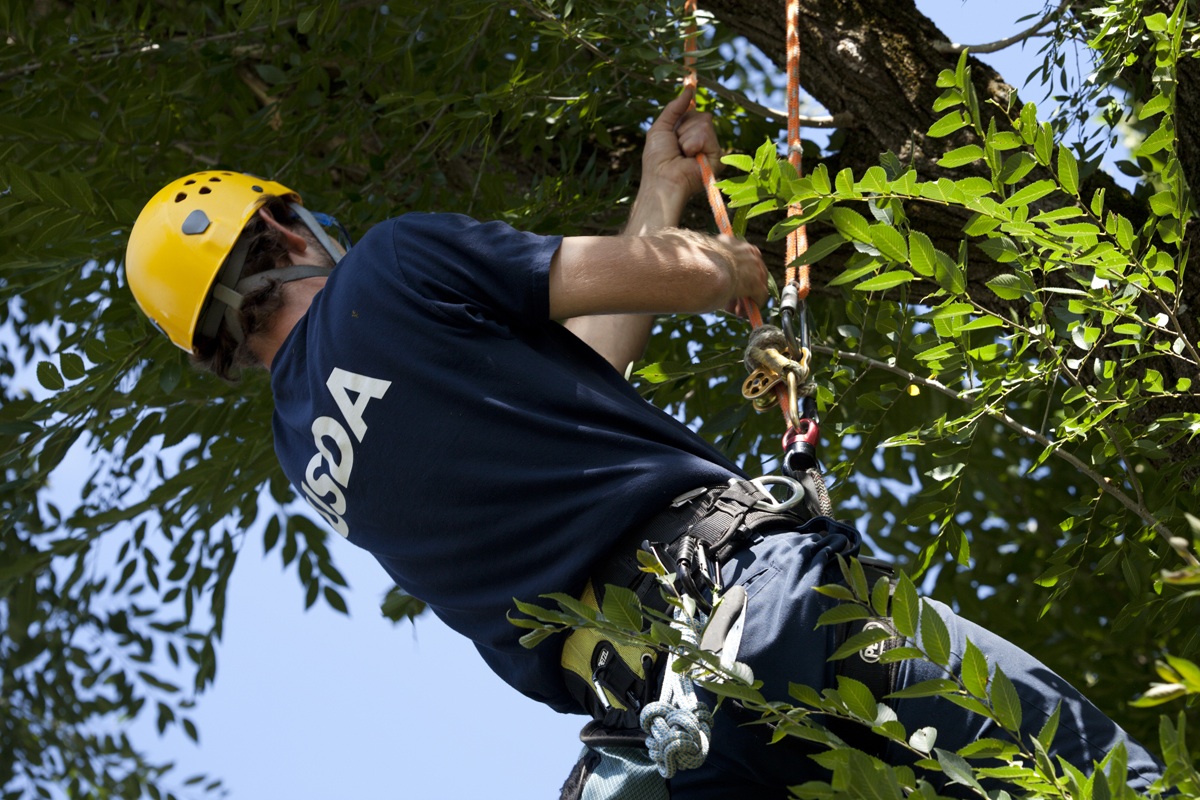
I’m working on a new Scientists in the Field book called BEETLE BUSTERS: A ROGUE INSECT AND THE PEOPLE WHO TRACK IT. It’s in design now, so I can’t show you the cover yet. (It doesn’t even exist!) But I can share the photos above, which are just a few of the scads of seriously cool images taken by Ellen Harasimowicz for this book.Sarah Albee: Where did the idea for this book come from?
The subject —Asian longhorned beetles—found me, actually, and it wasn’t easy. Here’s a simplified version of what happened:- A pair of gnarly-looking but harmless beetles from Asia chewed their way into the heart of a poplar tree in the middle of a forest in China.
- The tree was cut down and its wood used to make shipping pallets.
- One such pallet was shipped from China all the way to Worcester, Massachusetts, where I live.
- The beetles—a male and a female—survived the tree-chopping, the wood-cutting, the pallet-building, and the worldwide-shipping. They chewed their way out of the pallet, mated, and founded a family of Asian longhorned beetles in a new land.
- About ten years later, my husband and I bought a house in that new land.
- About ten years after that, the beetle family–by then enormous–was wreaking havoc in the forests near our house.
- A massive program was undertaken to eradicate the beetle and, paradoxically, to study it. BEETLE BUSTERS is the story of that program, the men and women carrying it out, and the hard decisions involved in its success.
Sarah Albee: Why do you write what you do?
Because stories about our natural world and the people who explore it thrill me. And when I find a story that particularly intrigues me, I can’t rest until I’ve found a way to share it with like-minded people.Sarah Albee: What is the hardest part about writing?
The first draft. For me, its always the first draft. (*deep, troubled sigh*) I’ve been wondering for a while now why first drafts are so hard for me. I’ve come to think that its not the writing of the draft itself that trips me up, but the process of finding structure. Until I’ve figured out where to start my story, where to end it, and how to carry readers through its middle, I tend to flail about. Once I’ve got a good structure, though, things slip into place. How do I find the best structure for a given story? By drafting and thinking and drafting and tinkering and drafting and drafting and drafting. It’s a slow process, which is why I find it so hard. Thanks for inviting me to be part of the Blog Hop, Sarah!Blog Hop Part One: Sarah Albee

Blog hops are a thing, apparently. (Since I am just realizing this, perhaps “were a thing” is more accurate? I’m usually a bit behind on social media trends.) Here, gone, no matter. Blog hops are fun, and I’m going to play along …
Back in March, Kathy Erskine tagged me for a hop in which I got to share a bit about my Spring 2014 book, Handle With Care. (Here’s that post, if you missed it.) Last week, Sarah Albee tagged me in a similar blog hop meme. (Here’s her post.) Here’s the deal this time around: first, I tell you a little bit about Sarah, then I tell you a little bit about my next book.
See? Kinda fun. Especially if you are into children’s nonfiction. And guess what? Today is Nonfiction Monday! (Maybe I am actually a social media guru? Ha.)
So, what can I tell you about Sarah?
- For starters, she sometimes goes by the names Constance Allen, Sarah Willson, Catherine Samuel, or Catherine Lukas. And she has written a lot of children’s books. (Four hundred thousand or so, as far as I can tell. Click here to see a partial list.)
- She is one of the funniest people I know. Check out the book trailer she made for one of her books. See what I mean?
- She’s also obsessed with history. But in a way that makes for one-of-a-kind books that give readers of all ages a unique look at our world and its past. Her POOP HAPPENED: A HISTORY OF THE WORLD FROM THE BOTTOM UP is a great example. And her newest title, BUGGED: HOW INSECTS CHANGED HISTORY, is another; look for it in April 2014.
- She’s good with voices. If you run into her, ask her to talk like a pirate for you. Trust me.
Get to know Sarah for yourself through her books, by visiting her website or her blog, by following her on Twitter, or by friending her on Facebook.
Thanks for the blog hop tag, Miss Sarah!
The Dolphins of Shark Bay
Earlier this year, I had the chance to talk with author Pamela Turner about her next big thing. (Here’s that post.) I’m logging on today to let you know that thing, the ‘Scientists in the Field’ book THE DOLPHINS OF SHARK BAY, is officially out in the world. Also? It’s a must-read.
I know. I say that about all the SITF books.
And I probably am biased, as I write for the series myself.
Whatever.
This is still a book I will recommend to everyone in my life, young and old. The dolphins living in the waters of Shark Bay are opening our eyes to the complexity of dolphin life and behavior … and what scientists are learning from these dolphins is rocking human notions of, well, what it means to be human. Don’t miss this one, folks!
Here’s a link to more information on the book.
Here’s a link to one of Pam’s latest blog post on the SITF website.
NCTE Conference
Last week librarians, this week English teachers! I’m thrilled to be attending the annual gathering of the National Council of Teachers of English (NCTE) in Boston. Here’s my schedule for the weekend, in case you’ll be there too. I’d love to see you at one of these events …
Saturday, November 23
12:30-2:30pm: Books for Children Luncheon in Room 312 (Hynes Convention Center)
I’ll be grinning all through this luncheon, because Steve Jenkins is giving the keynote and because I’ll be receiving an Orbis Pictus honor award for Citizen Scientists.
3:00-3:30pm: Book signing in the Macmillan Booth (#819)
I’ll be signing copies of Citizen Scientists, and probably still flying from the joys of lunchtime!
4:15-5:30pm: Panel Presentation in Ballroom A (Hynes Convention Center)
Reflecting on the Writing Process: Orbis Pictus Authors Share Their Journeys Authors of the Orbis Pictus award and honor books for 2013 will each share their writing journey and craft used in the creation of their nonfiction works.
Sunday, November 24
9-10am: Book Signing in the Houghton Mifflin Harcourt booth (#1506)
I’ll be signing copies of Tracking Trash and The Hive Detectives. Come on by!
11:30am – 12:45pm: Panel Presentation in Room 105 (Hynes Convention Center)
Honor Your Process: Bringing the Working Methods and Style of Published Writers to Your Classroom Award-winning authors Linda Urban, Kate Messner, Matt Phelan and Loree Griffin Burns will share the tools and strategies, from thumbnail drawings to field trips to progress journals, that have brought their work to life—and that you can easily bring back to your classroom writing workshops.
AASL Conference
I’m looking forward to spending Friday (November 15, 2013) at the annual conference of the American Association of School Librarians (AASL) in Hartford, Connecticut. If you’ll be there too, please stop by one of these events to say hello!
Panel Discussion: Exploring Scientists at Work
1pm in Room Marriott C
Join authors Loree Griffin Burns, Pamela Turner, and Rebecca Johnson, editor Carol Hinz, and science teacher Jill Zangerl to discuss how stories about scientists at work can meet the needs of children, librarians, and teachers. Discussion will be moderated by author Vicki Cobb.
Book Signing
2:15-3:15pm in Author Alley
Rumor has it there will be FREE books, and that I’ll be signing them. Somehow I have been unable to verify this. But how can you resist even the chance of free books? Come on by! Added bonus: I’ll have a preview copy of my not-yet-off-the-presses Spring 2014 picture book with me.
Author-Librarian Tweet-Up
9-10pm in Marriott Hotel (Crush Bar & Starbucks)
If you are a Twitter User, follow hashtag #aasl13 for the latest happenings. If you are a Twitter user who follows me, feel free to giggle at the very thought of me using hashtags and tweeting up.
The Latest Buzz
Wednesday Wild: Red squirrel
Nonfiction Monday: Can We Save the Tiger?
On Mondays, the online arm of the children’s publishing world celebrates books of children’s nonfiction. Even though I’m a sporadic participant on the blogging side, I’m a regular explorer of the Nonfiction Monday archives from the reading side. It’s a great place to find nonfiction reviews and book tips. This week’s event is hosted by Abby the Librarian. Freshen your tea, click on over, and enjoy some happy moments reading about what’s new and wonderful in children’s nonfiction.
I’ve decided to add a round-up of my week with Martin Jenkins and Vicky White’s magnficent picture book CAN WE SAVE THE TIGER? Exploring human-driven species extinction in a picture book for elementary grade readers is not an easy task, but Jenkins and White manage it beautifully. By laying their breathtaking art and crystal clear prose atop a solid structure, this book manages to inform and inspire without preaching.
That last paragraph was the most succinct I have managed in a week of studying the structure of this book! But if you happen to be up for a much deeper look at this work, particularly its structure, click back through my week of posts: on Tuesday, I introduced the book and my task, on Wednesday I dissected the main structure, and on Thursday I talked about the various ways author, illustrator, and design team supported that structure.
Happy reading. And Happy Nonfiction Monday!